Subtotal $0.00

India is a land of incredible diversity, and nowhere is this diversity more evident than in its cuisine. From the snow-capped mountains of the north to the coastal regions of the south, every corner of the country offers unique flavors, cooking techniques, and culinary traditions that have evolved over centuries. Indian food is much more than a meal—it is a celebration of culture, history, family, and tradition.
A journey through authentic Indian flavors is an exploration of rich spices, aromatic herbs, regional specialties, and time-honored recipes. Each dish tells a story, reflecting the heritage and lifestyle of the people who created it. Whether enjoyed at home, in a local eatery, or at a fine dining restaurant, authentic Indian cuisine delivers an unforgettable experience that satisfies both the heart and the palate.
The Rich Heritage of Indian Cuisine
Indian cuisine has been shaped by thousands of years of history, trade, migration, and cultural exchange. Ancient cooking traditions combined with influences from Persia, Central Asia, the Middle East, and Europe have created one of the world’s most diverse culinary landscapes.
Despite regional differences, one common thread runs through Indian cooking: the use of fresh ingredients and carefully balanced spices. Indian chefs have mastered the art of combining flavors to create dishes that are bold, complex, and harmonious. The result is a cuisine that offers something for everyone, from mild and comforting meals to rich and intensely spiced delicacies.
Food in India is deeply connected to family traditions and celebrations. Recipes are often passed down through generations, preserving authentic techniques and flavors that have stood the test of time.
The Magic of Indian Spices
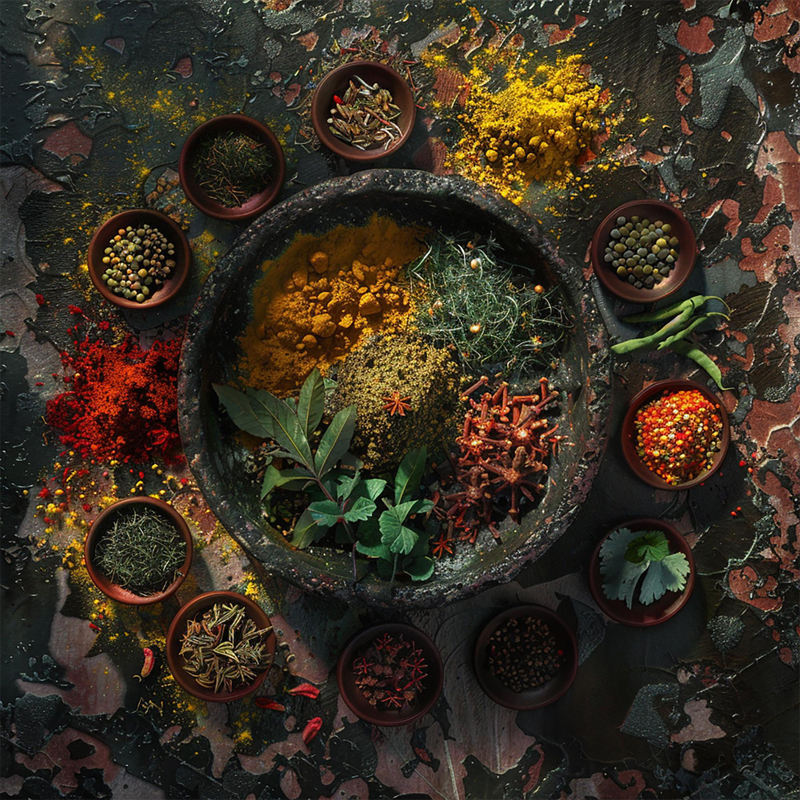
No discussion of Indian cuisine is complete without mentioning its famous spices. Spices are the soul of Indian cooking, transforming simple ingredients into extraordinary dishes.
Common spices such as turmeric, cumin, coriander, cardamom, cinnamon, cloves, mustard seeds, and black pepper are used in various combinations to create distinctive flavor profiles. These spices are not only valued for their taste but also for their traditional health benefits.
The secret of authentic Indian cooking lies in balance. Contrary to popular belief, Indian food is not simply about heat or spiciness. It is about creating layers of flavor where sweetness, tanginess, earthiness, and warmth come together perfectly.
Freshly ground spices and carefully prepared spice blends bring depth and character to every meal, making each dish unique and memorable.
Exploring Northern Indian Flavors
Northern India is known for its rich, hearty, and aromatic cuisine. The region’s fertile plains produce an abundance of wheat, dairy, and vegetables, which form the foundation of many traditional dishes.
Popular breads such as naan, roti, and paratha are often served alongside flavorful curries and grilled specialties. Creamy dishes made with yogurt, butter, and aromatic spices are especially popular.
The famous tandoor, a traditional clay oven, plays an important role in northern cooking. It produces smoky and flavorful dishes that are loved around the world. From tender kebabs to freshly baked breads, the tandoor showcases the artistry of Indian culinary traditions.
Northern cuisine often reflects the influence of royal kitchens, resulting in rich gravies, luxurious textures, and sophisticated spice combinations.
The Vibrant Tastes of Southern India
Southern Indian cuisine offers a completely different yet equally exciting culinary experience. Rice is a staple ingredient, and meals are often accompanied by coconut, lentils, tamarind, and curry leaves.
The region is famous for dishes that are light, flavorful, and aromatic. Fermented foods such as dosa and idli have become popular worldwide for their unique taste and nutritional value.
Coastal areas contribute an abundance of seafood dishes, while traditional spice blends create vibrant and distinctive flavors. The use of coconut milk and fresh herbs adds freshness and balance to many recipes.
Southern Indian food demonstrates how regional ingredients can shape an entirely unique culinary identity while remaining deeply rooted in Indian traditions.
Eastern India’s Culinary Treasures
Eastern India is celebrated for its rich culinary heritage and diverse range of flavors. The region’s rivers and fertile lands provide fresh fish, rice, vegetables, and fruits that form the basis of many traditional dishes.
The cuisine is known for its delicate spice combinations and emphasis on natural flavors. Seafood plays a significant role, while mustard oil and mustard seeds contribute a distinctive taste that defines many regional specialties.
Eastern India is also renowned for its desserts. Traditional sweets crafted from milk, sugar, and aromatic ingredients have become iconic symbols of Indian confectionery.
The culinary traditions of the east reflect a deep appreciation for simplicity, freshness, and balance.
Western India’s Diverse Food Culture
Western India offers an extraordinary variety of dishes influenced by geography, climate, and cultural traditions. From spicy street foods to elaborate festive meals, the region showcases remarkable culinary diversity.
Many western dishes feature legumes, grains, vegetables, and bold spice combinations. Coastal areas contribute seafood specialties, while desert regions have developed innovative cooking techniques that maximize available ingredients.
The region’s vibrant food culture highlights the creativity and adaptability of Indian cuisine, proving that exceptional flavors can emerge from even the simplest ingredients.
Street Food: The Heartbeat of Indian Cuisine
A true journey through Indian flavors would not be complete without experiencing the country’s legendary street food culture. Across cities and towns, food vendors prepare fresh and flavorful snacks that capture the essence of local culinary traditions.
Street food reflects the energy and diversity of India. It brings together people from all walks of life and provides affordable access to authentic flavors. Crispy, tangy, spicy, and savory treats are enjoyed daily by millions of people.
Many iconic dishes originated as street food before becoming popular in restaurants around the world. Their enduring appeal lies in their simplicity, freshness, and bold taste.
The Importance of Fresh Ingredients
Authentic Indian cuisine relies heavily on fresh ingredients. Fresh vegetables, herbs, spices, dairy products, and proteins contribute to the vibrant flavors that define Indian cooking.
Freshly prepared spice mixtures release aromatic oils that enhance every dish. Seasonal vegetables provide natural sweetness and texture, while fresh herbs add brightness and complexity.
Using quality ingredients allows traditional recipes to shine and ensures that each meal delivers an authentic dining experience. This commitment to freshness remains one of the hallmarks of Indian culinary excellence.
Food as a Celebration
In India, food is more than nourishment—it is a way of bringing people together. Festivals, weddings, family gatherings, and religious celebrations often revolve around elaborate meals prepared with love and care.
Sharing food strengthens relationships and creates lasting memories. Many traditional dishes are associated with specific occasions, making them an important part of cultural identity.
The warmth and hospitality that accompany Indian meals contribute to the overall experience, turning every gathering into a celebration of life and community.
Conclusion
A journey through authentic Indian flavors is a journey through centuries of culture, tradition, and culinary craftsmanship. Every region offers its own unique specialties, ingredients, and cooking techniques, creating a rich tapestry of tastes that continues to captivate food lovers around the world.
From aromatic spices and fresh ingredients to regional delicacies and festive feasts, Indian cuisine represents a perfect balance of flavor, heritage, and creativity. Each dish tells a story, connecting the past with the present and preserving traditions that have been cherished for generations.
Whether you are discovering Indian cuisine for the first time or revisiting familiar favorites, every meal offers an opportunity to experience the incredible diversity and authenticity that make Indian food truly extraordinary. Through its flavors, aromas, and traditions, Indian cuisine invites everyone to embark on a delicious journey that is both timeless and unforgettable.

