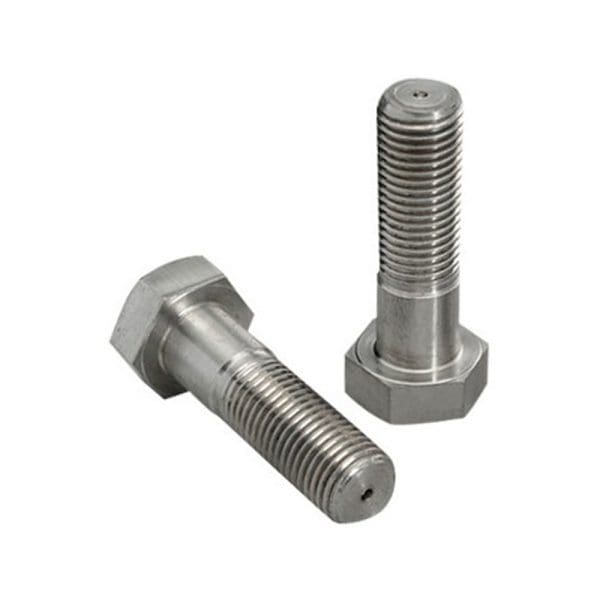
Nuts and bolts are among the most essential fastening components used in construction, manufacturing, automotive, aerospace, machinery, and industrial applications. They create strong, reliable, and removable joints that hold structures and equipment together. Selecting the correct type of nut and bolt is critical for safety, durability, and performance.
1. Hex Bolt
Overview
Hex bolts are the most commonly used fasteners in the world. They feature a six-sided hexagonal head that can be tightened or loosened using a wrench or socket.
Features
- Six-sided head design
- Available in full-thread and partial-thread configurations
- Manufactured in carbon steel, stainless steel, alloy steel, and brass
Applications
- Construction projects
- Steel structures
- Machinery assembly
- Automotive components
- Industrial equipment
Advantages
- High strength
- Easy installation
- Wide availability
- Suitable for heavy-duty applications
2. Heavy Hex Bolt
Overview
Heavy hex bolts are similar to standard hex bolts but have a larger and thicker head. They are designed for applications requiring greater load-bearing capacity.
Features
- Larger bearing surface
- Increased strength
- Available in high-tensile grades
Applications
- Structural steel fabrication
- Bridges
- Power plants
- Oil and gas industries
Advantages
- Better load distribution
- Enhanced durability
- Suitable for critical structural connections
3. Carriage Bolt
Overview
Carriage bolts feature a smooth, rounded head and a square neck beneath the head that prevents rotation during tightening.
Features
- Domed head
- Square neck
- Corrosion-resistant options available
Applications
- Wood construction
- Furniture manufacturing
- Decking and fencing
- Agricultural equipment
Advantages
- Attractive appearance
- Tamper-resistant design
- Prevents spinning during installation
No Responses